
A tender is the way a public administration buys. A school, a town council, a barracks or a hospital publishes a set of tender documents with the administrative and technical conditions of what it needs, usually on the Spanish Public Sector Procurement Platform (Plataforma de Contratación del Sector Público). The companies that meet those conditions submit their bid and the contract is awarded according to the criteria in the documents. In practice, the criterion that weighs most is usually price.
For years we have been following tenders from schools, design colleges, military academies, town councils and hospitals that call for garment-making machinery. Many dealers and agents in our sector never bid. They have their reasons, and after reading quite a few sets of tender documents we understand them. Here we tell you what we have seen and what we propose at Maquinorya.
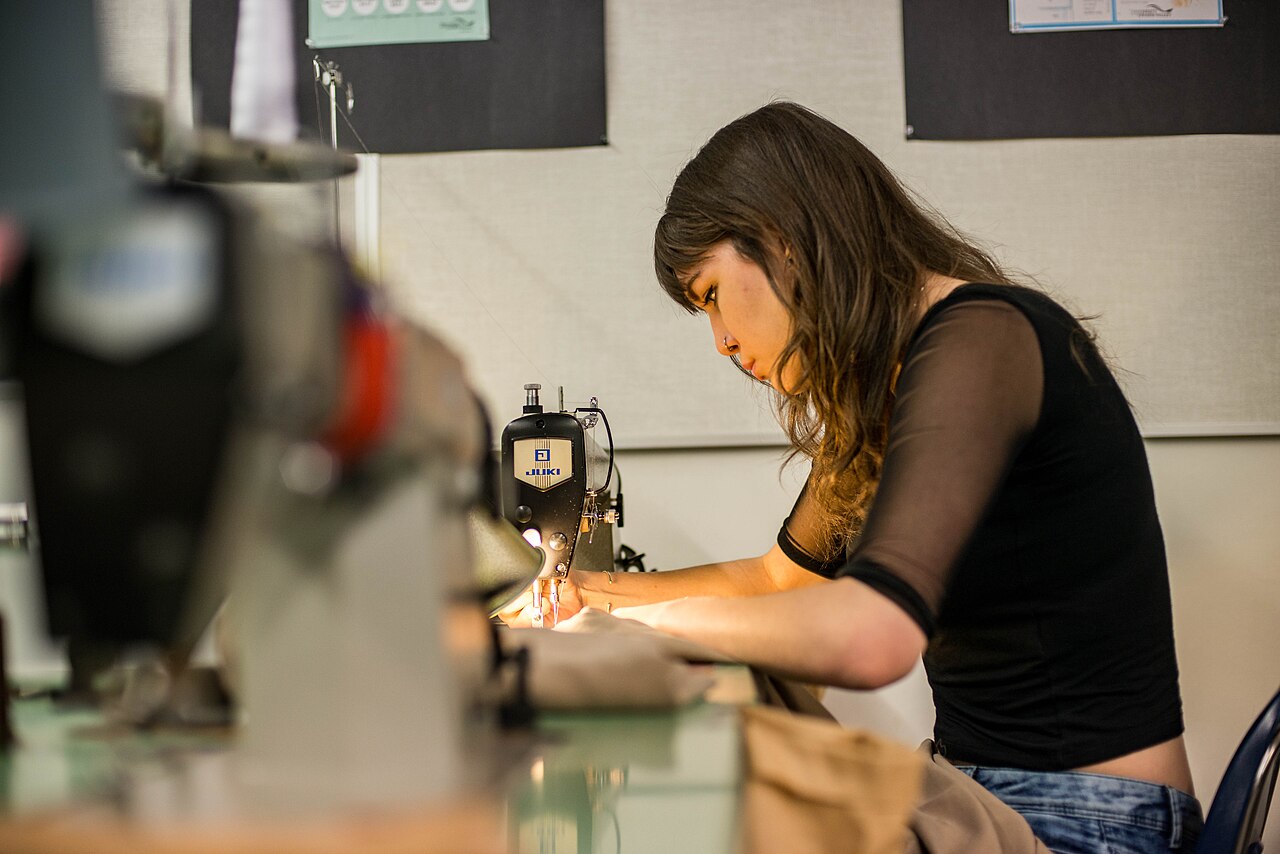
A single lot for materials that have nothing in common
It is common for a tender to put everything a project needs into the same lot: sewing machines, irons, cutting tables, scissors, furniture and sometimes even office supplies. And it requires a price for all of it.
In the textile industry almost every company specialises in one particular activity. Whoever sells industrial sewing machines does not sell school furniture, and whoever sets up a laundry does not do embroidery. With a lot like that the specialist cannot bid, or it is not worth it.
In the end the tender often goes to a hardware shop or a general supplier that is already registered on the administration’s system. It is handled by staff who do not know the product and put the cheapest material they can find into the bid. Later it may not do the job it was meant for.
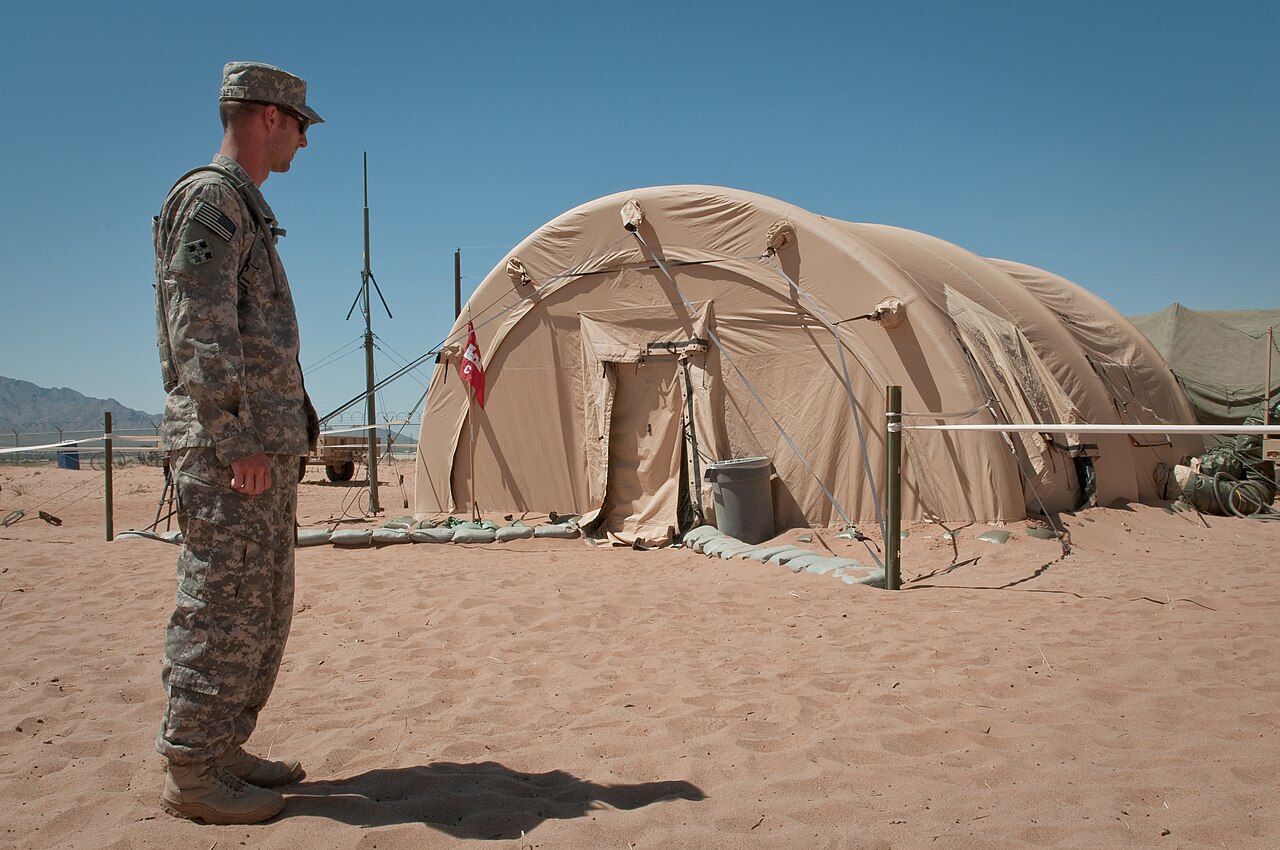
Technical specifications that cannot be met
The technical conditions are usually written by people who are not from the trade. We have read specifications asking for figures that no machine on the market has at the same time, or that mix features from different models. Technically it is impossible to meet them to the letter.
The sensible thing would be to consult someone from the sector before publishing the tender, even if that advice has to be paid for. That way at least the technical definitions would be accurate and the tender would be real.
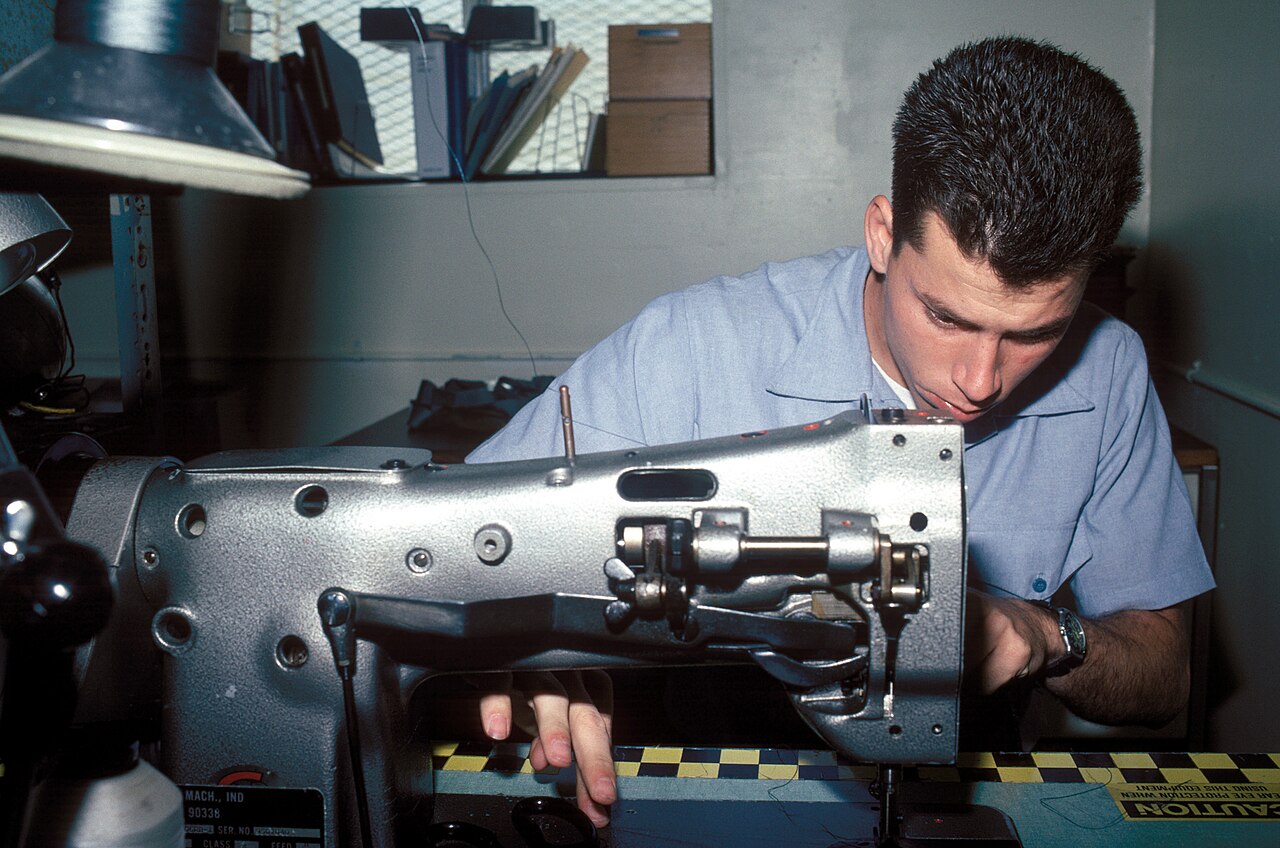
The lowest price wins, not the right machine
The bureaucracy is complicated to the point of absurdity. Sometimes it seems the material delivered does not do what was intended at the start and the bid won only because it was the one that, according to the administration, met the conditions at the lowest price.
Those machines will be used by students, soldiers and workers. For them we want the best and what is most suited to the job, not something that only covers a need on paper.
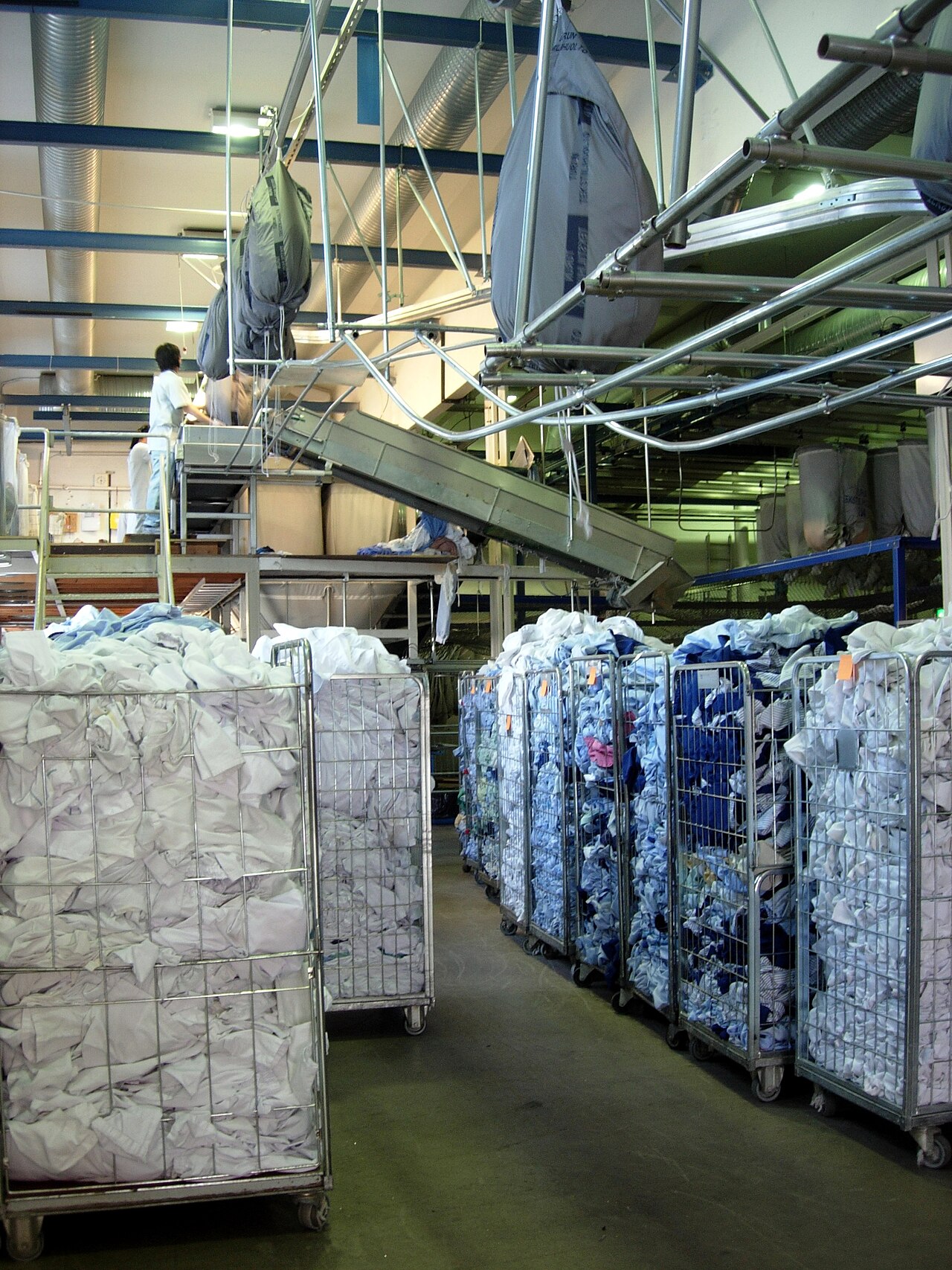
What Maquinorya offers public institutions
To schools, design colleges, military units, town councils and hospitals we offer advice on defining what is needed in the specialities of our sector: sewing, welding and heat sealing of tarpaulins, cutting, pressing and embroidery.
We work the same way as with any other advice. First we talk about what you need, what you would like to have and the obligations you have (budget, deadlines, regulations). Then we send you a quote for preparing the technical conditions of the tender, so that the specification describes machines that exist and that are fit for that job.
If you are preparing a tender for textile machinery, write to us from the contact page or call 659 730 968. The first conversation costs nothing.