
Sun protection machinery: screen, pergola and roller blinds
Screen fabrics, pergolas, roller blinds and outdoor sun protection. Here the material is technical fabric and mesh, and the edge finish decides the life of the piece more than the seam does.
Sun protection is not made like an awning. Screen fabric and technical mesh don’t behave like canvas: they fray at the edge, distort if tensioned badly and on many pieces aren’t even sewn. The question here isn’t sew or weld, it’s how to finish the edge without the piece working against itself.
What is made and with which materials
Screen and vertical blinds, pergolas, roller blinds, textile louvres and exterior facade sun protection. The materials are screen fabrics, technical meshes, coated polyester and laminates, almost always in large, custom-made pieces.
The edge decides
On awning canvas the edge is sewn with a hem and reinforcement. On screen fabric that hem is bulky, affects the drape and shows against the light. That is why the usual finish is ultrasonic cutting and sealing: the blade cuts and seals the edge in the same pass, with no thread, no hem and no fraying.
So in sun protection the workstation that sets the pace isn’t the sewing machine but the ultrasonic cutting and welding machine.
When sewing is still used
Sewing doesn’t disappear: reinforcements, weight bar pockets, ZIP screen zips and the canvas pieces that go with a pergola still need compound feed, and on thick or multi-layer coated fabric, a heavy-duty machine. The difference from awnings is that here it is a support workstation, not the main one.
Cutting and handling large pieces
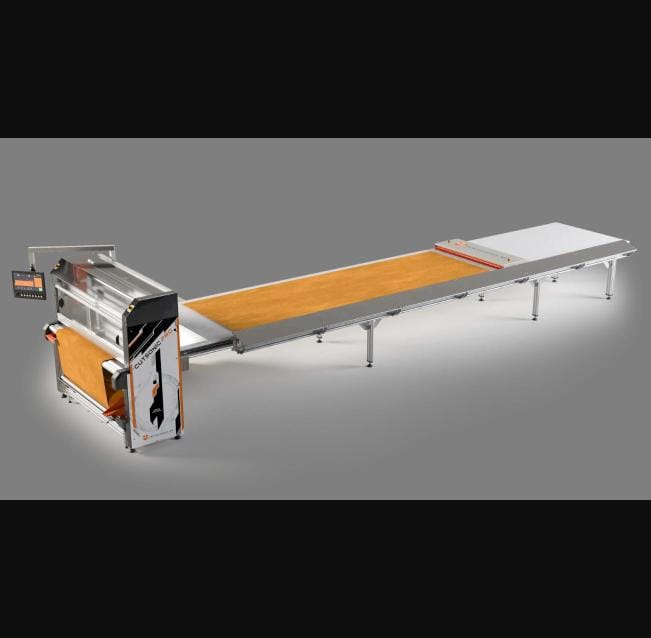
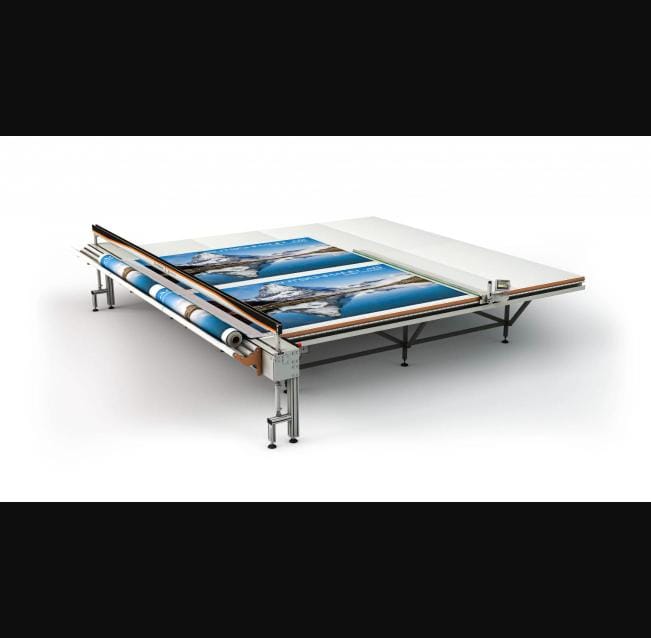
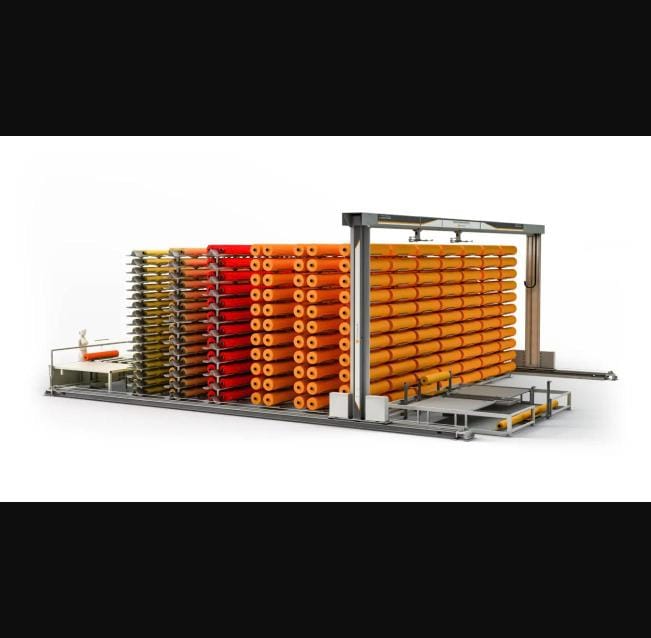
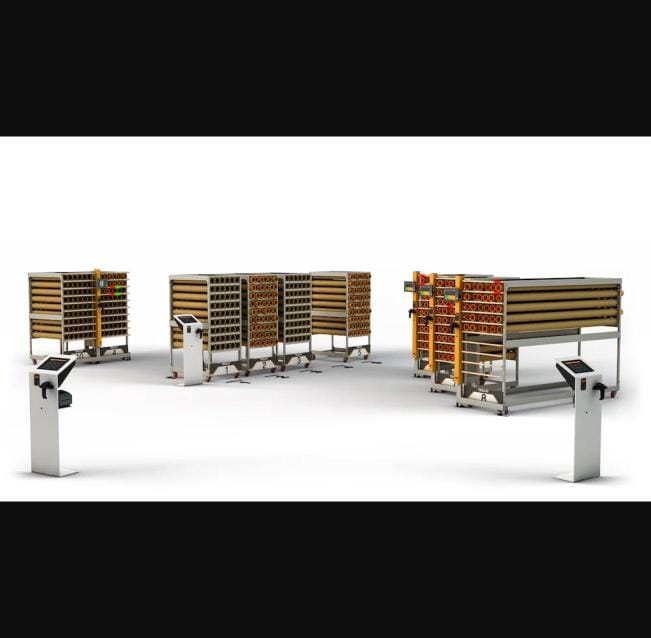
Screen fabric comes in wide rolls and the pieces are long. That makes roll storage and feeding part of the process: it is not an accessory, it decides how many pieces come out per day. Rack and roll handling systems, ultrasonic cutting tables and laser cutting for perforated pieces.
Frequently asked questions
Can I weld acrylic canvas? Acrylic doesn’t weld like PVC. If you need a welded joint, the material has to allow it: tell us which one you use and we will confirm it before you buy anything.
Is a mobile hot wedge welder worth it if I make few large pieces? That is exactly where it shows most: the alternative to welding on the piece itself is not being able to make it.
Multi-ply or single-ply cutting? Multi-ply if you produce runs of the same model. Single-ply if each piece is custom-made, which is usual for residential awnings.
Can you advise me without me visiting you? Yes. Tell us what material you use, whether it needs to be watertight and what size of piece you handle, and we will suggest the process before the machine.
The machines, brand by brand
What goes into a sun protection workshop: ultrasonic cutting and sealing as the main workstation, support sewing for reinforcements and zips, and wide roll handling.

Jentschmann
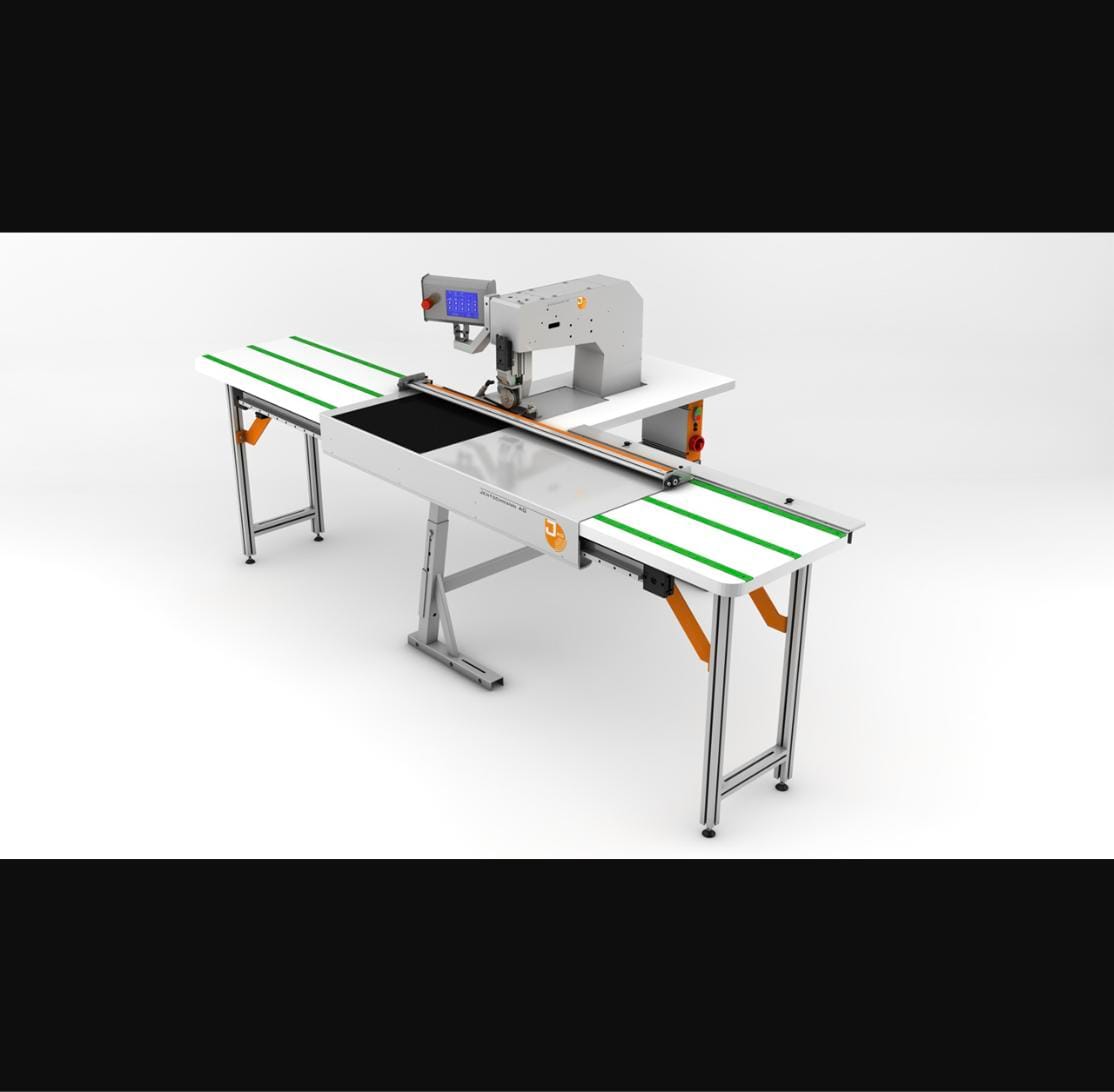
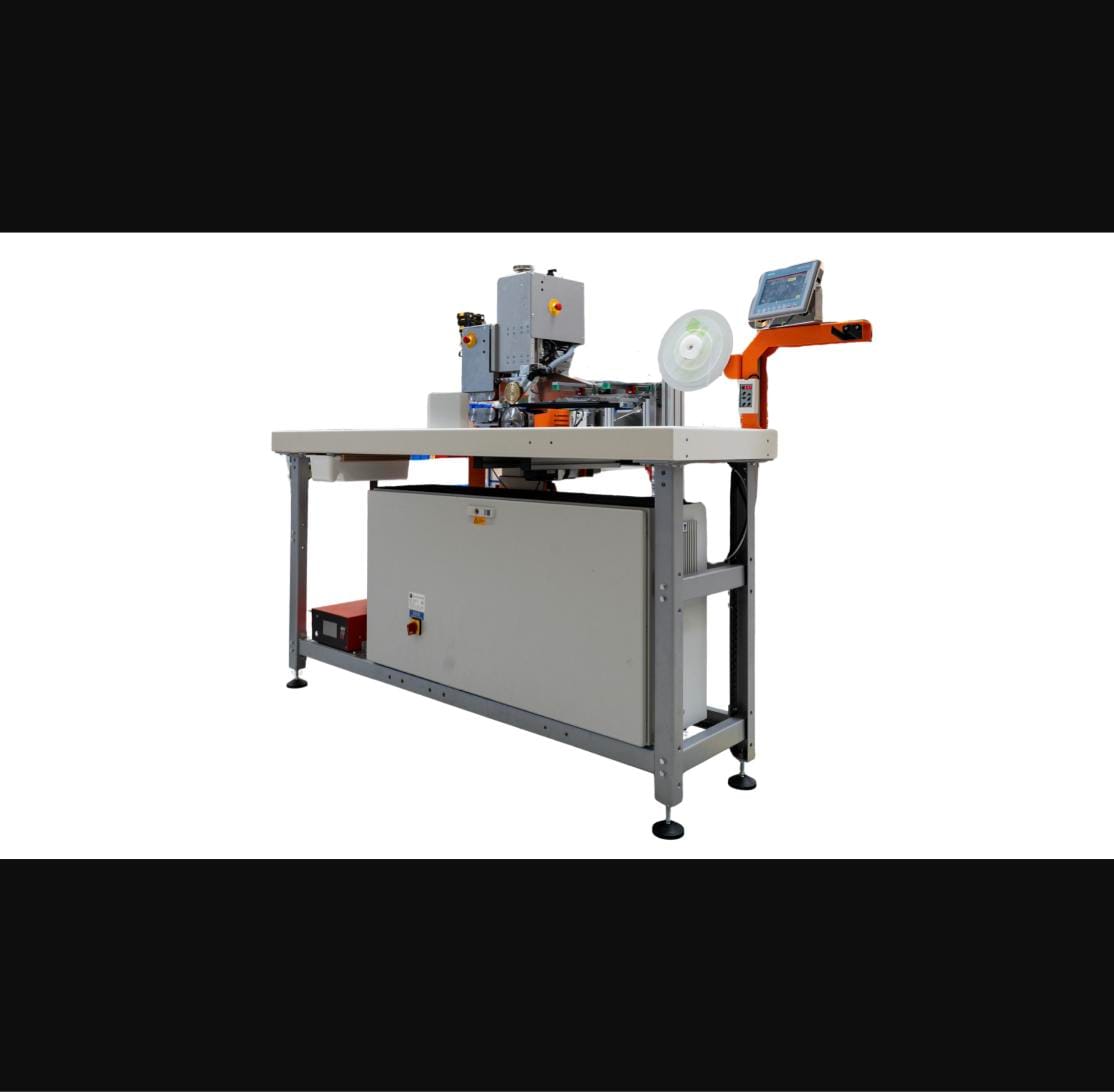
The core of the screen workshop: ultrasonic edge welding and cutting, laser cutting for perforated pieces and roll storage and handling systems.





PFAFF Industrial
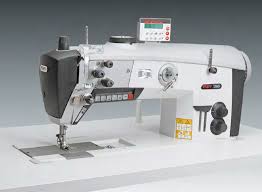
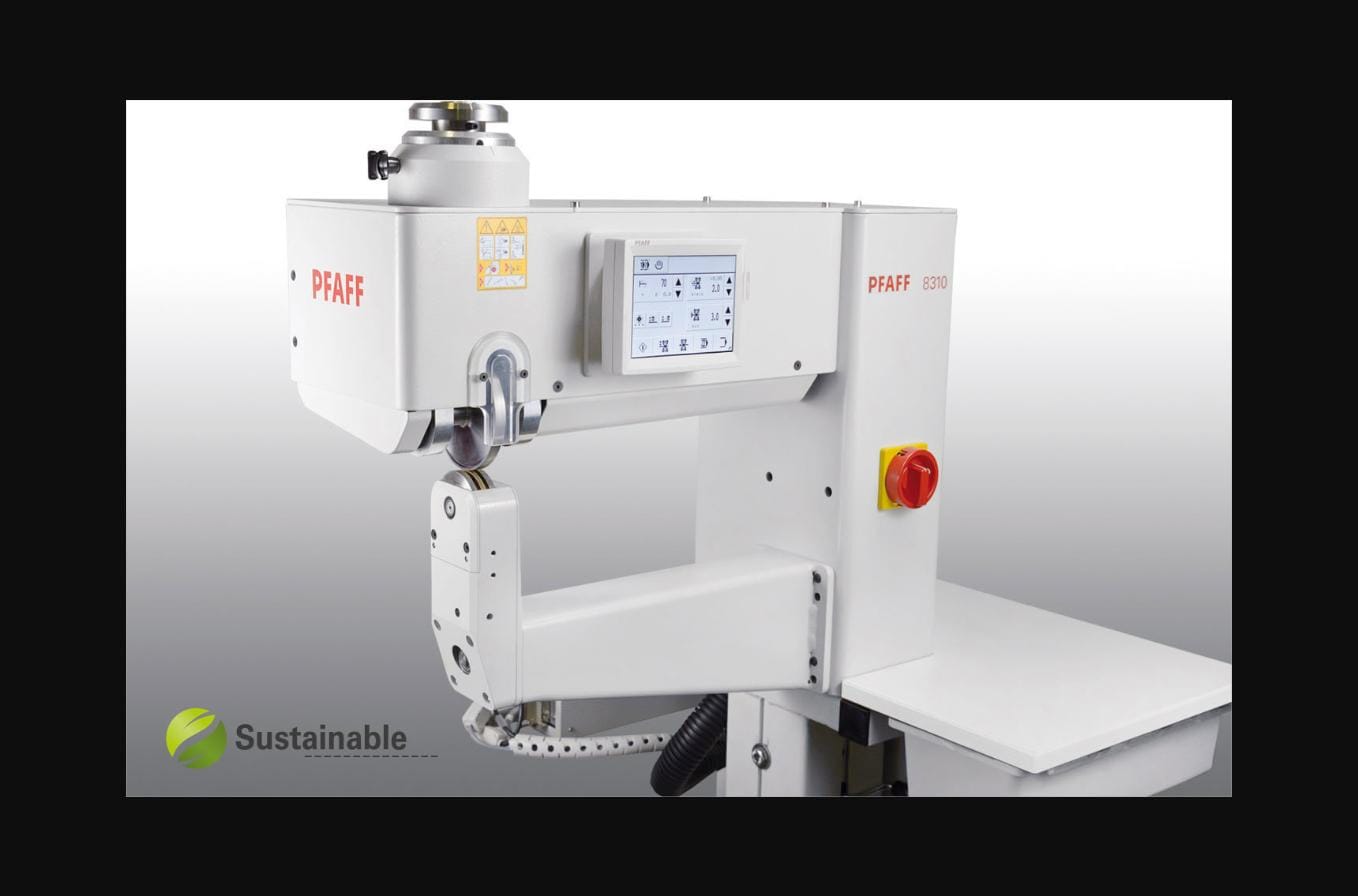
Compound feed for reinforcements and zips, and the three welding technologies: ultrasonic, hot air and hot wedge.




Dürkopp Adler
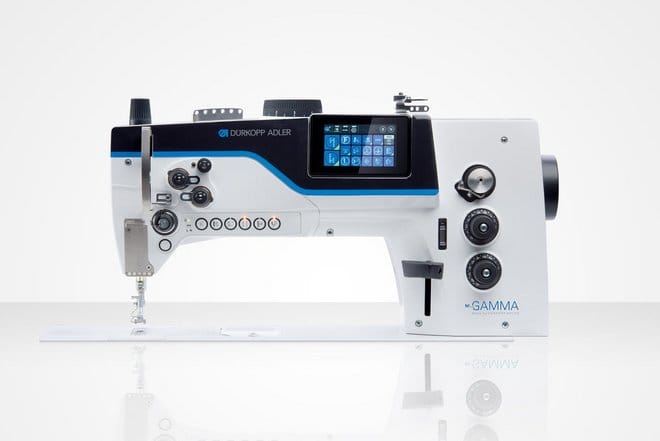
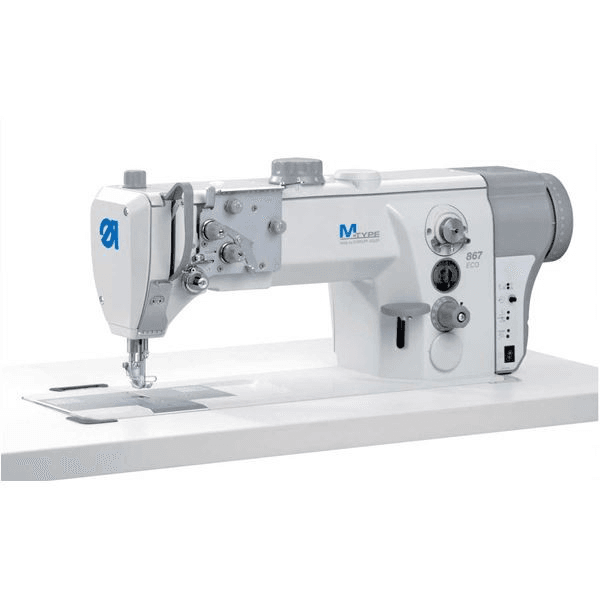
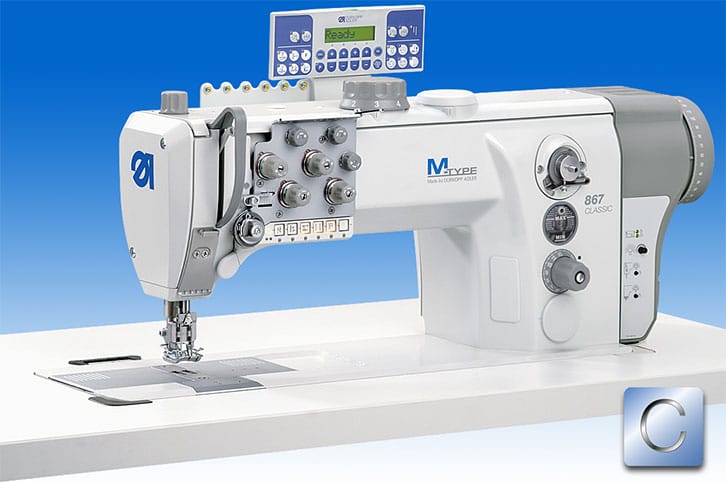
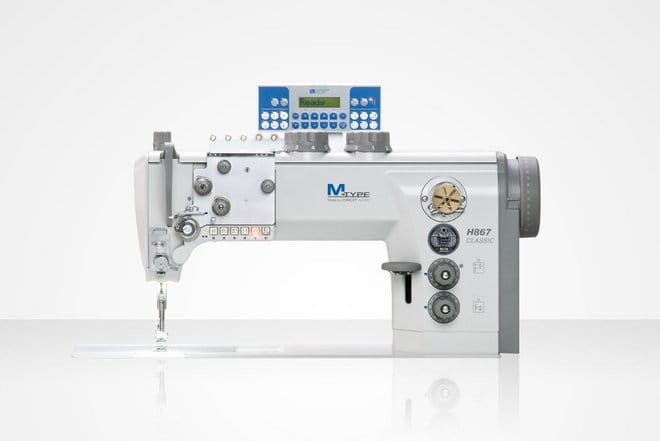
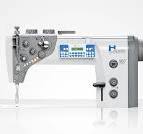
Support sewing on coated and laminated fabric, with the H series and the 967 for thicknesses a normal flatbed can’t handle.
Tell us what you make
We analyse material, watertightness and piece size before recommending anything. Request technical advice.
Related advice
- Do you make PVC or PU canvas for awnings, marquees and trucks?: high frequency, hot wedge or hot air, and the PFAFF 8320, 8362 and 8390 welders.