
Machinery for leather goods: handbags, wallets and belts in leather
Once the piece is no longer flat, the post bed is no longer optional. And the post width is the first decision, before the brand.
In leather goods the piece stops being flat very early. An assembled handbag, a gusset or a shaped wallet can’t rest on a table, and that is where a flatbed falls short. That is why a leather goods workshop is organised around two machines that can’t replace each other: the post bed and the cylinder bed.
What is made and with which materials
Handbags, wallets, backpacks, belts, cases and leather goods in general. The work is in leather of different tannages, synthetics, linings and reinforcements, with thicknesses that change within the same piece.
The post bed: why it is the main decision
On a flatbed the piece rests on the table. That works as long as the piece is flat. As soon as the bag is assembled or the upper has a shape, you need the sewing point to be raised on a post, with the piece around it, so you can turn it and sew the outline.
The width of the post decides what you can reach: a narrow post gets into tight curves and spaces where a wide one won’t fit; a wider one gives more support and stability on large pieces. It is the first thing to decide, before the brand.
You can see the full range under PFAFF post bed machines.
Cylinder bed: when the piece is already assembled
The post bed raises the sewing point; the cylinder bed puts it inside the piece. It is what you need to close a bag that is already sewn, finish a gusset or turn a case: the piece slides onto the arm and turns around it. In leather goods it is as decisive as the post bed, and they are often the two machines found side by side in the same workshop.

PFAFF 335G Basic
Narrow single-needle cylinder bed. The workshop classic: handbags, wallets and any piece that is already assembled.
See data sheet →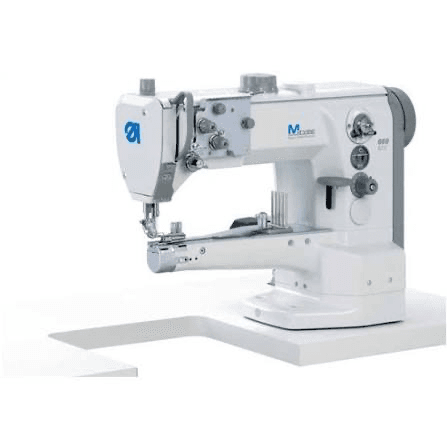
Dürkopp Adler 669
Compound feed cylinder bed, 1 needle. Small diameter to get into tight curves without distorting the piece.
See data sheet →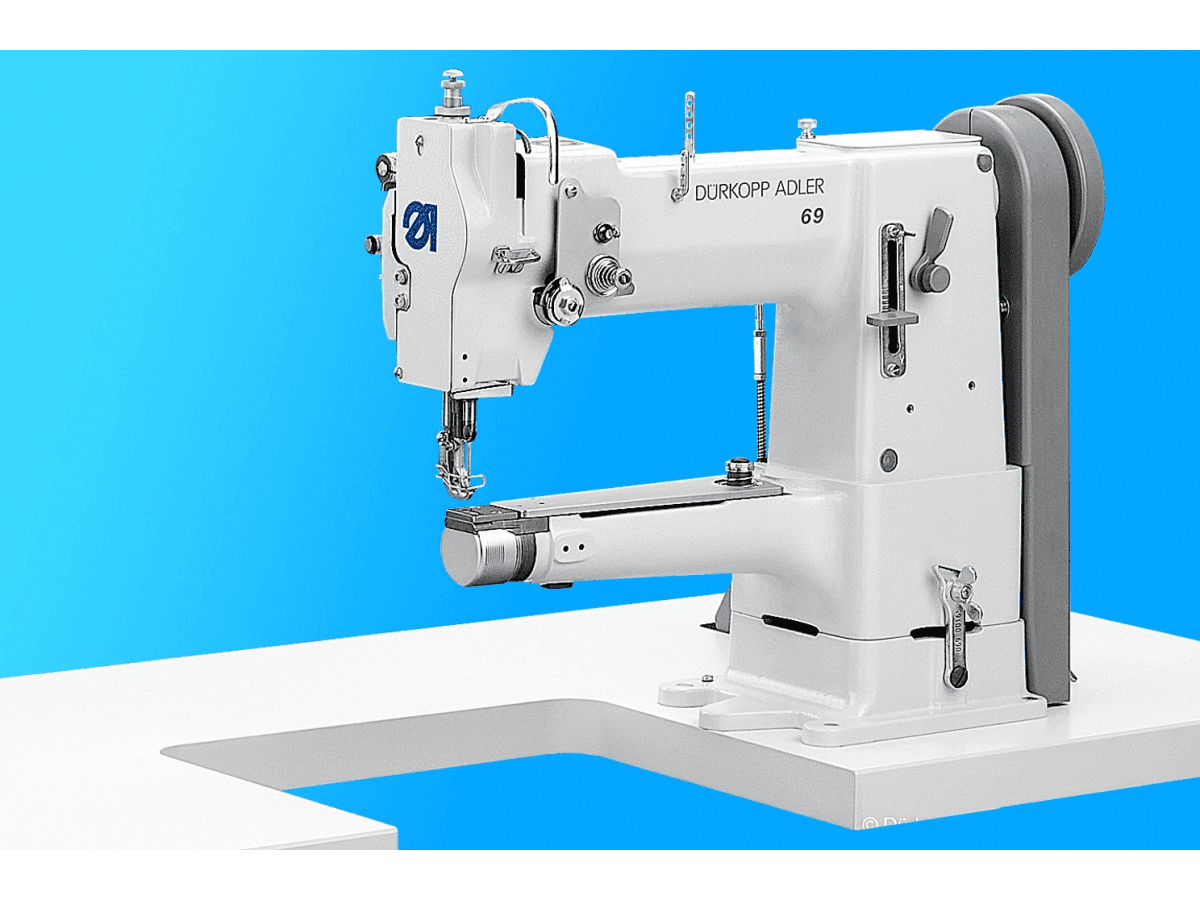
Dürkopp Adler 69-373H
Compound feed cylinder bed for heavy material. For closing pieces that are already closed, where neither a flatbed nor a post bed can reach.
See data sheet →You can see the full range under cylinder bed machines and, within the brand, under PFAFF cylinder bed.
When you still need a flatbed
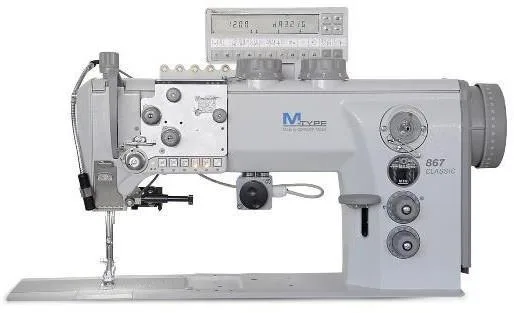
For pieces before assembly (cut parts, linings, belts, large leather goods pieces) the compound feed flatbed is still the machine. That is where you use the PFAFF 1245, the Dürkopp Adler 867 and the 267-373 and 269-373.
Most workshops end up with both: a flatbed for flat work and a post bed for assembly. It isn’t redundancy; they are two different moments in the life of the same piece.
Cutting: the leather decides
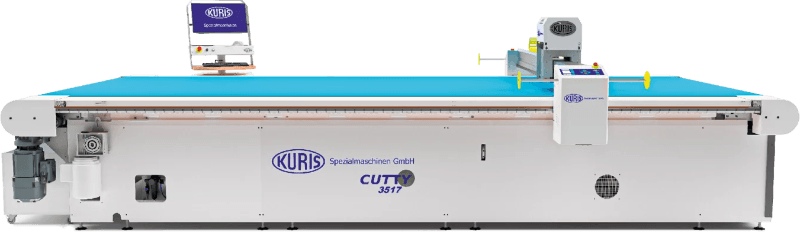
Leather doesn’t stack. Each hide has its own shape, prime area and defects, so cutting is single-ply with piece-by-piece optimisation. With expensive leather, what decides profitability isn’t cutting speed but how much you get out of each hide. That is what the KURIS Cutty single-ply CNC cutting table is for.
Frequently asked questions
Should I start with the post bed or the flatbed? It depends on what you do yourself and what you send out. If you assemble the piece, the post bed is essential. If you only cut and prepare, the compound feed flatbed does more for you.
Which post width should I choose? The one that fits your tightest piece, not your most common one. A post that can’t reach a curve forces you to redesign; one slightly narrower than ideal only takes away a little support.
Can you help me without me visiting you? Yes. Tell us what you make, the leather thickness, whether the piece is assembled when sewn and how many units you make a day. With that we will suggest a machine and show you videos of it working that material.
The machines, brand by brand
What goes into a leather goods workshop: post bed and cylinder bed for shaped pieces, compound feed flatbed for flat work, CNC pattern sewing for repeated reinforcements and finishing, and single-ply cutting for the leather.

PFAFF Industrial
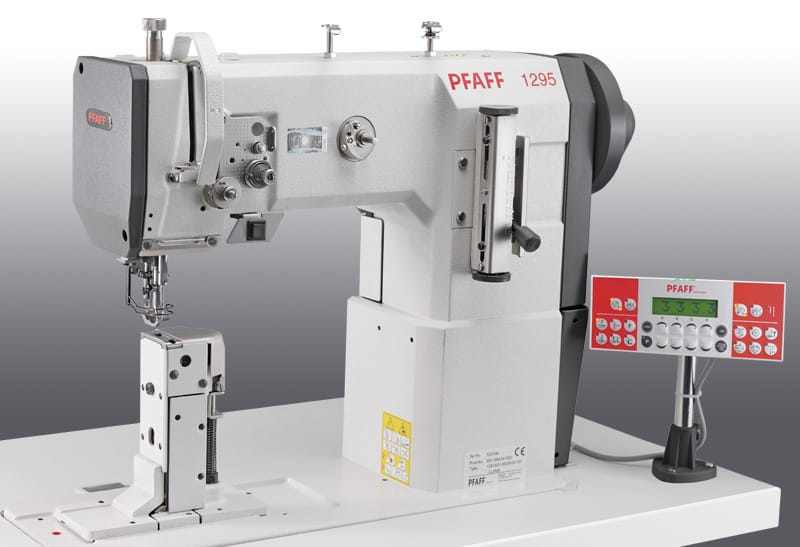
The narrow cylinder bed 335G is the workshop classic. The 1245/46 for flat work, the 1295/96 post bed for assembly and the 3590 Portal automatic sewing system.




Dürkopp Adler
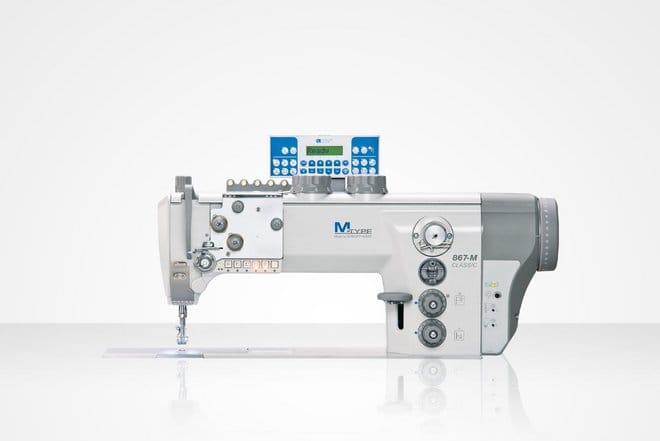
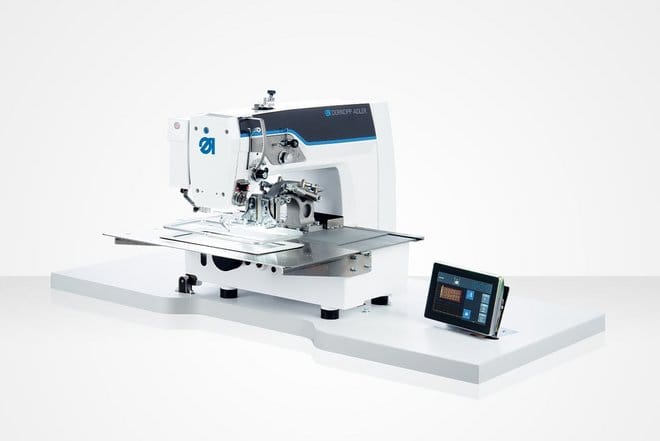
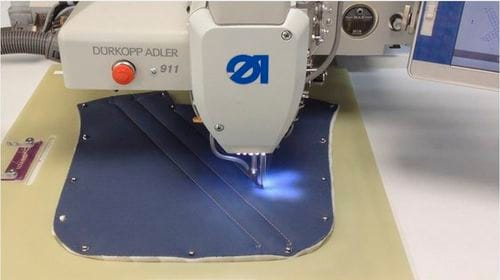
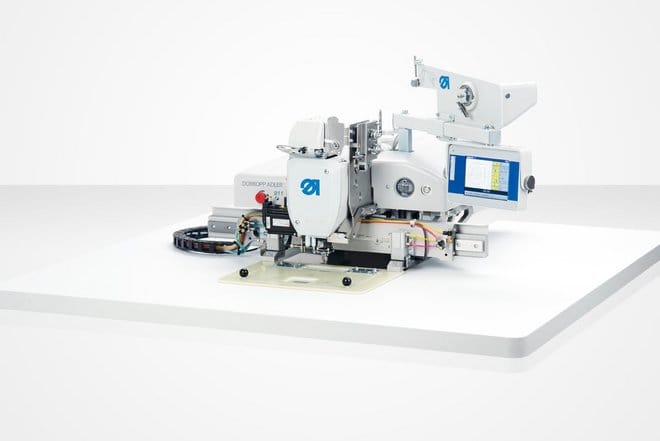
Compound feed cylinder bed in two diameters, 267-373, 269-373 and 867 flatbeds for cut parts, linings and belts, and the 910 and 911 CNC sewing units for programmed pieces.




KURIS
Single-ply CNC cutting with piece-by-piece optimisation. With expensive leather, what decides profitability is how much you get out of each hide.

Brother
Nexio BAS programmable electronic pattern sewers: the seam is defined by the pattern, not the hand. For reinforcements, finishing and repeated pieces.


Brother – Cometa
CO.ME.TA. special machines on a Brother head: XXS posts, swing arm and rotating arm with compound feed for very tight corners, gussets and seams close to the edge. See special machines for leather goods.


Dürkopp Adler – Cometa
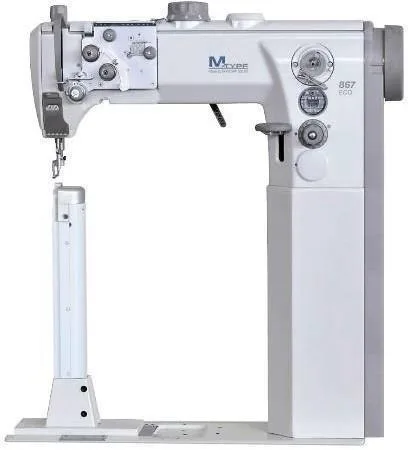
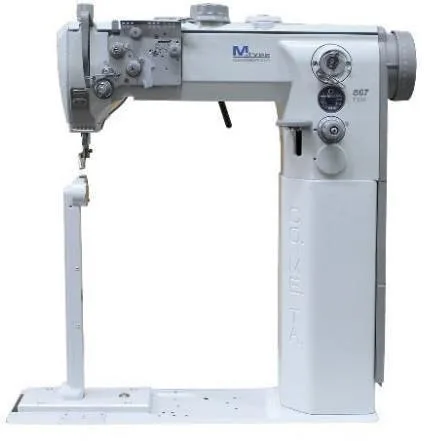
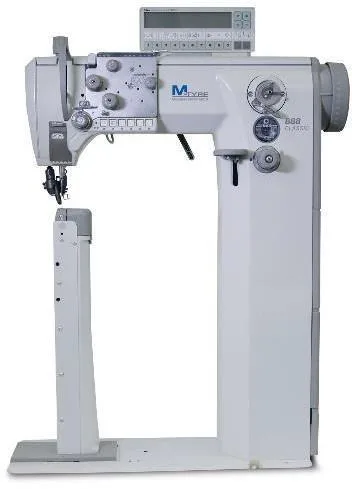
CO.ME.TA. special machines on a Dürkopp Adler head: swing and rotating arms, posts from 170 to 900 mm, narrow arm and compound feed flatbed. See the Dürkopp Adler – Cometa series.




Juki – Cometa
CO.ME.TA. special machines on a JUKI head, all with compound feed. See the Juki – Cometa series.


Juki
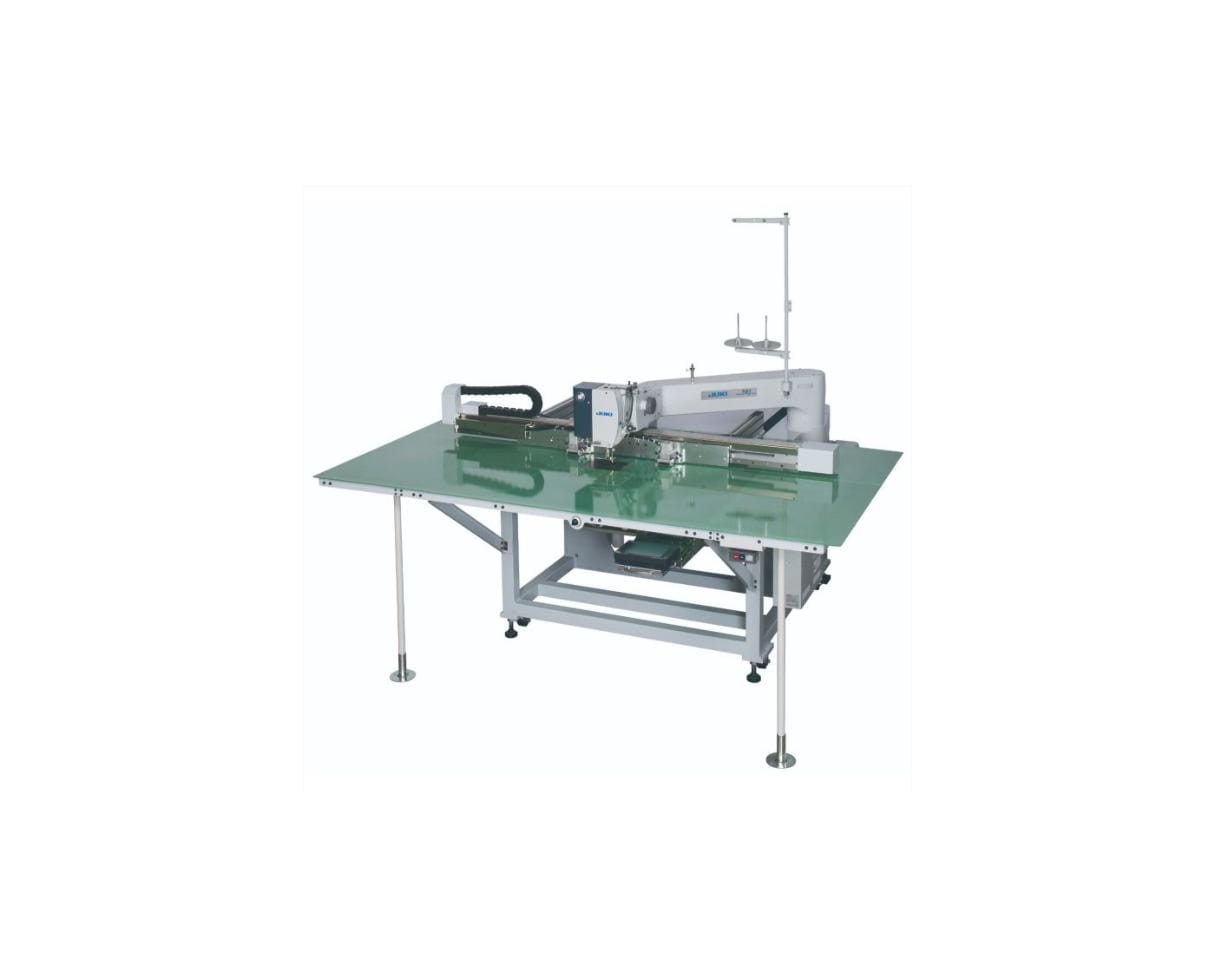
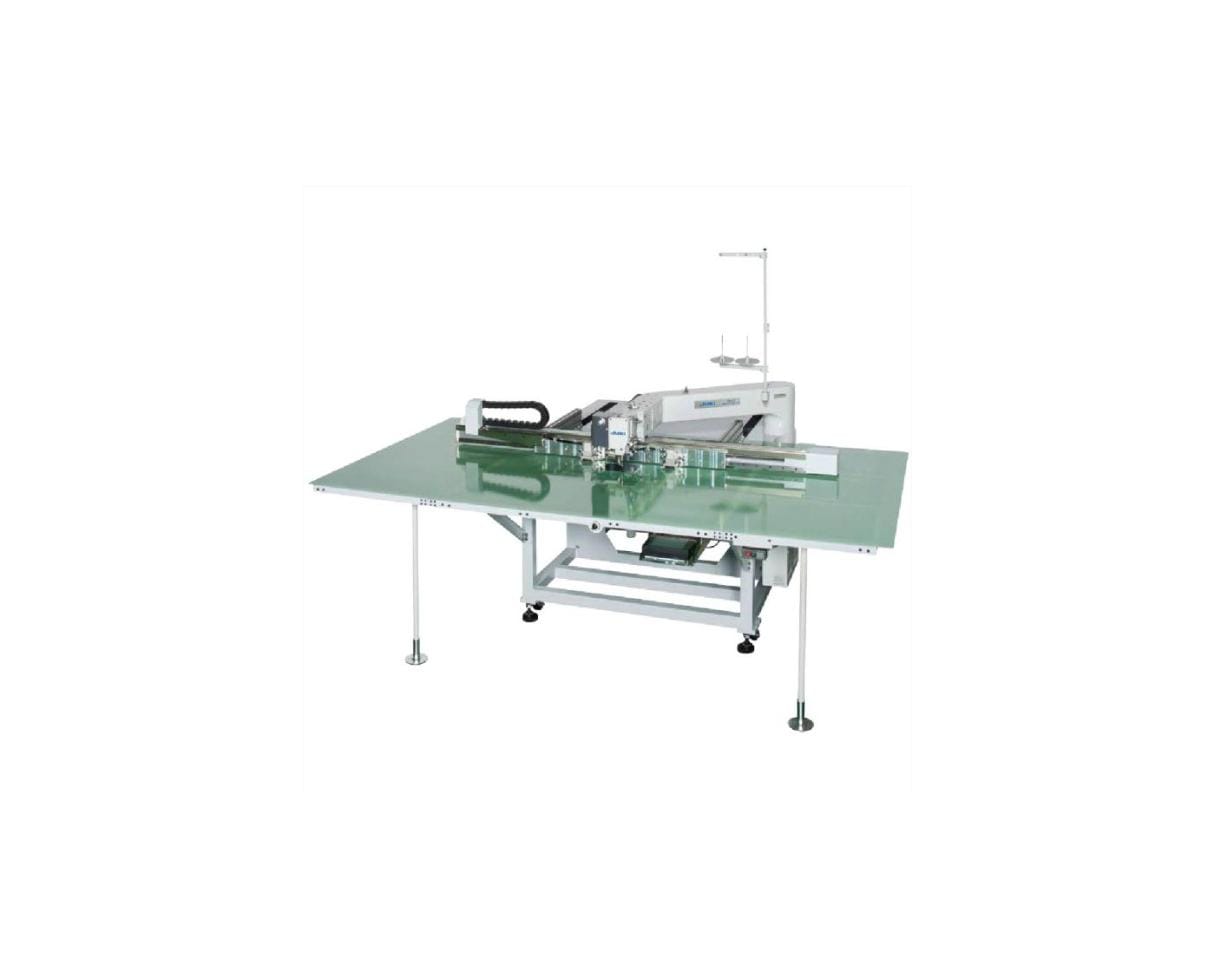
PLK-J pattern sewers, from small field to large format. The size of the field decides which piece fits in whole.



2026 trend: luxury leather goods
Subcontracting for luxury brands is growing in Spain and Portugal, and their quality controls require high-precision machines. We explain it in 2026 trends: Brother – Cometa for luxury leather goods.
Tell us what you make
We analyse the piece, the material and your production before recommending anything. Request technical advice.