
Awning machinery: welding, sewing and cutting canvas
Folding arm and cassette awnings, canopies and covers in acrylic canvas and PVC. The key decision is whether to sew or weld, depending on whether the piece has to be watertight.
Awnings involve a decision that doesn’t exist in garment manufacturing: the joint can be sewn or welded, and it makes a difference. Watertightness, finish and a good part of the manufacturing cost depend on it.
What is made and with which materials
Folding arm and cassette awnings, canopies, tarpaulins and covers. The materials are acrylic canvas and PVC, with reinforcements, tapes, eyelets and zips depending on the piece.
Sew or weld: the key decision
Sewing pierces the material. On acrylic canvas it doesn’t usually matter; on PVC that has to be watertight (a cover, a canopy, a pool cover) every stitch is a way in for water.
That is why PVC is welded: the material is joined by heat without making holes, and the joint is continuous. With acrylic, on the other hand, sewing is still the norm and the most versatile option.
The full comparison, with costs, is in the guide sew or weld: when it pays to change process, and the difference between welding technologies in ultrasonic, hot air or hot wedge.
Welding PVC and tarpaulins
For joining PVC on large pieces and on site, the tool is the PFAFF 8362 mobile hot wedge welders, which weld while travelling over the canvas itself instead of bringing the canvas to the machine. That is what makes it possible to work on covers and pieces that don’t fit on a table.
You have the full range in PFAFF 8362-126, 8362-226, 8362-240, 8362-250 and 8362-326.
Sewing canvas
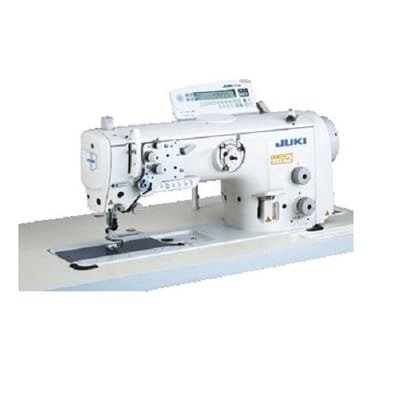
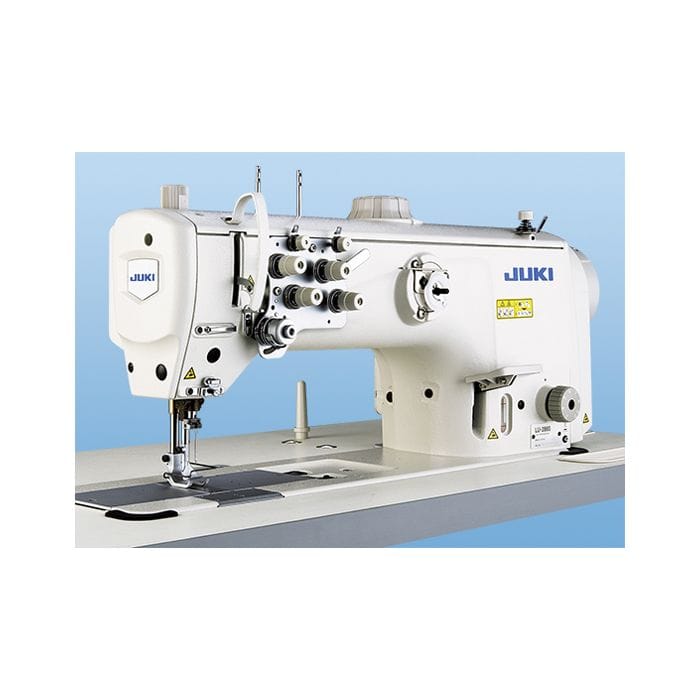
When it is sewn, canvas needs the same as leather: compound feed. There are several layers, often with reinforcements and tapes, and very long seams where the shift between layers builds up until the piece is out of square. The JUKI LU-2810 and the two-needle LU-2860 cover this work.
If a seam that has already been sewn also needs sealing, there is Gluetex heat-activated adhesive tape.
Cutting: here it does stack
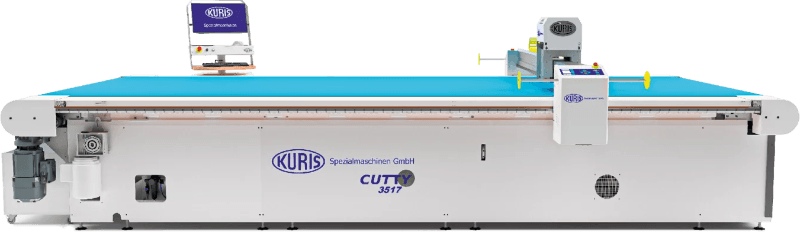
Unlike leather, canvas is spread and cut in plies, which completely changes the cutting machine. For volume there is the KURIS TEXCUT multi-ply CNC cutter; for single-ply work and individual pieces, the KURIS Cutty.
Personalisation
Commercial awnings usually carry the name of the business. For embroidery on canvas there is the SWF-Sunstar multi-head and, for a single head, the Fortever 1201 FT.
Frequently asked questions
Can I weld acrylic canvas? Acrylic doesn’t weld like PVC. If you need a welded joint, the material has to allow it: tell us which one you use and we will confirm it before you buy anything.
Is a mobile hot wedge welder worth it if I make few large pieces? That is exactly where it shows most: the alternative to welding on the piece itself is not being able to make it.
Multi-ply or single-ply cutting? Multi-ply if you produce runs of the same model. Single-ply if each piece is custom-made, which is usual for residential awnings.
Can you advise me without me visiting you? Yes. Tell us what material you use, whether it needs to be watertight and what size of piece you handle, and we will suggest the process before the machine.
The machines, brand by brand
What goes into an awning workshop: compound feed sewing for the canvas, automatic units for hems and valances, welding for watertight PVC, cutting and roll handling.

PFAFF Industrial
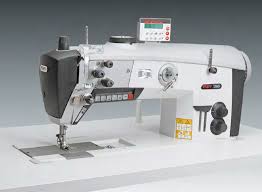
Compound feed for canvas: the 1245/46 in basic and automatic versions, and the long-arm 2545/46 for large pieces.



Dürkopp Adler
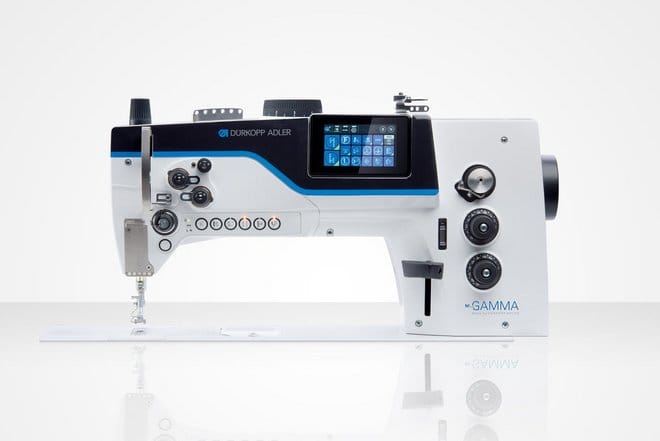
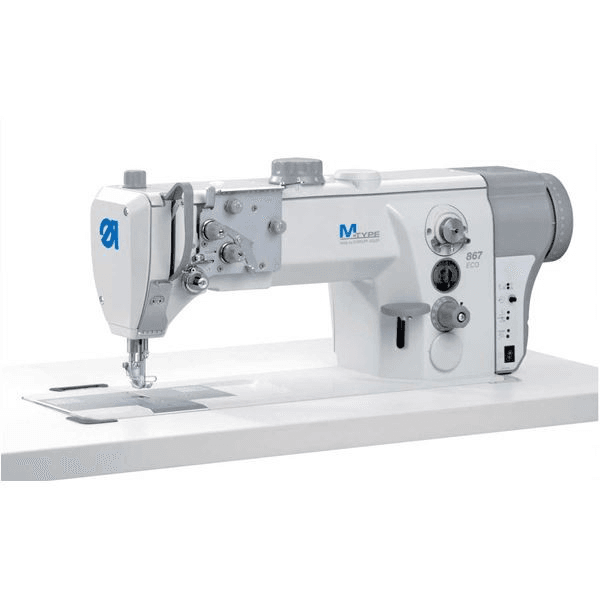
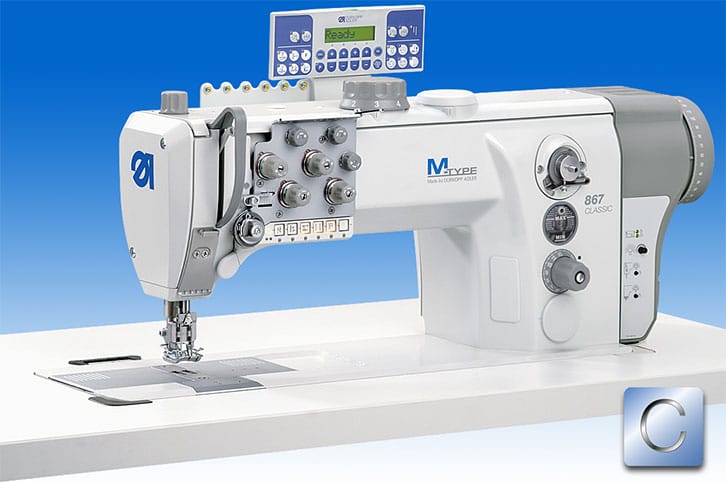
From the 267 and the Gamma 767 to the M-Type 867 in both its series, plus the dedicated hem (867 Saum) and valance (937 Volant) workstations.



Jentschmann
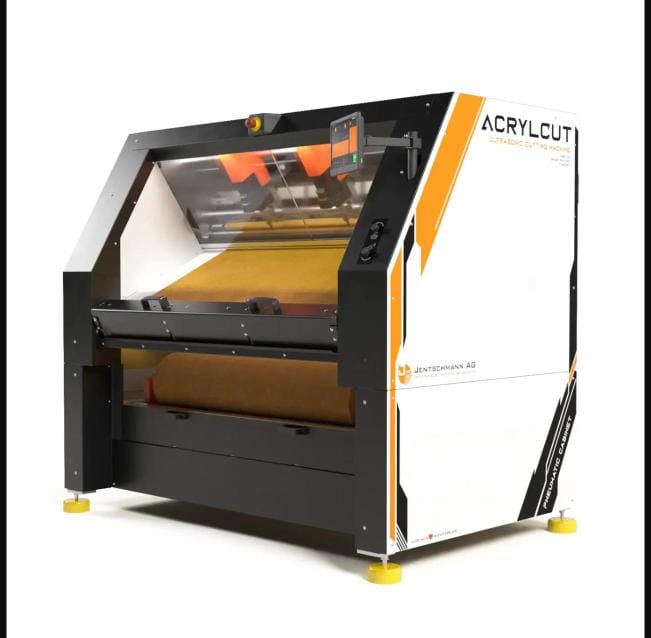
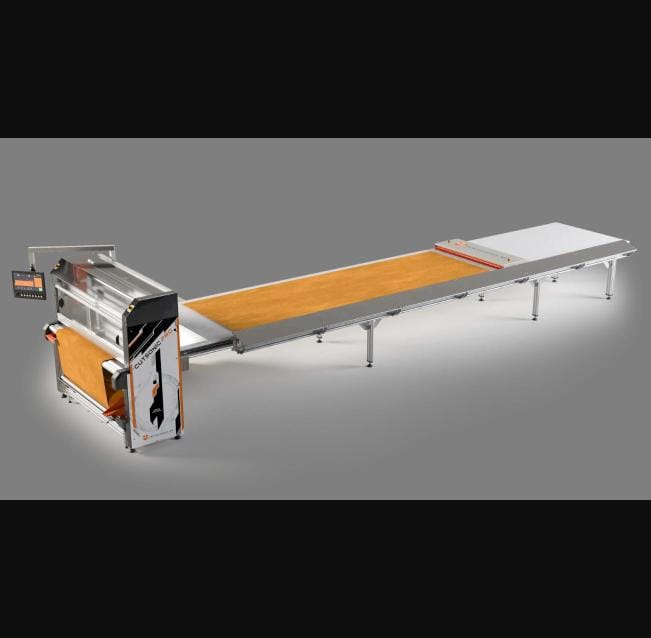
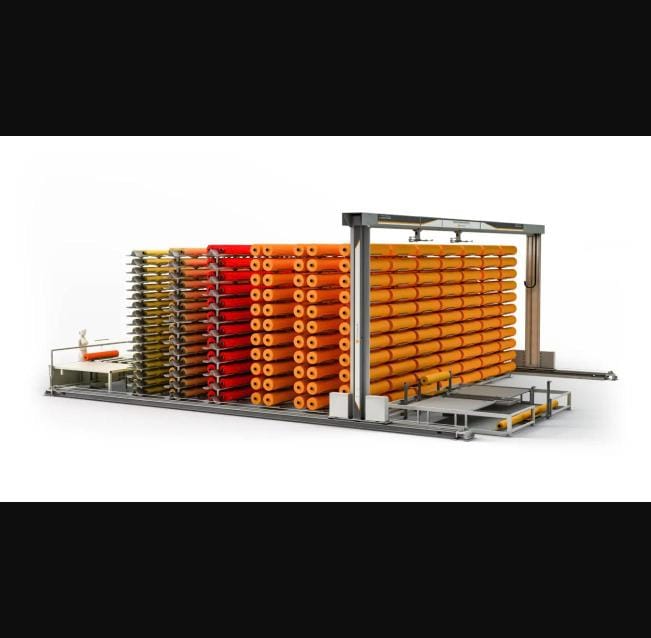
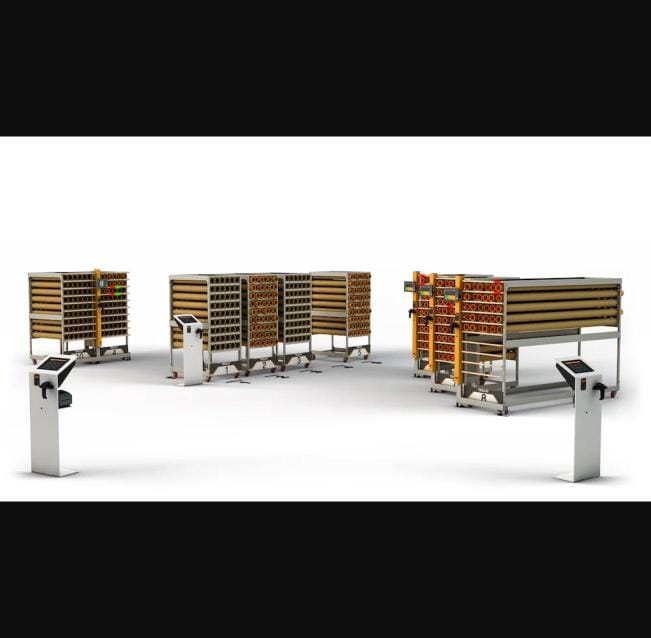
Automatic sewing units, ultrasonic welding and cutting, plus the roll storage and handling systems that feed the line.



Juki
One and two-needle compound feed for long canvas seams with reinforcements and tapes.

Tell us what you make
We analyse material, watertightness and piece size before recommending anything. Request technical advice.
Related advice
- Do you make PVC or PU canvas for awnings, marquees and trucks?: high frequency, hot wedge or hot air, and the PFAFF 8320, 8362 and 8390 welders.
- Which machine do you need to make pool covers?: bubble covers and PVC covers with the PFAFF 8362-126 hot wedge welder, and compound feed for the binding.